
How to correctly select the power and size of the generator
1. Equipment that requires generator power supply in daily life and work
The nameplate of electrical appliances and equipment usually indicates the required operating wattage, so the actual power consumption may vary depending on the object.
For example, devices that require continuous power supply typically consume more power than intermittent power supply devices.
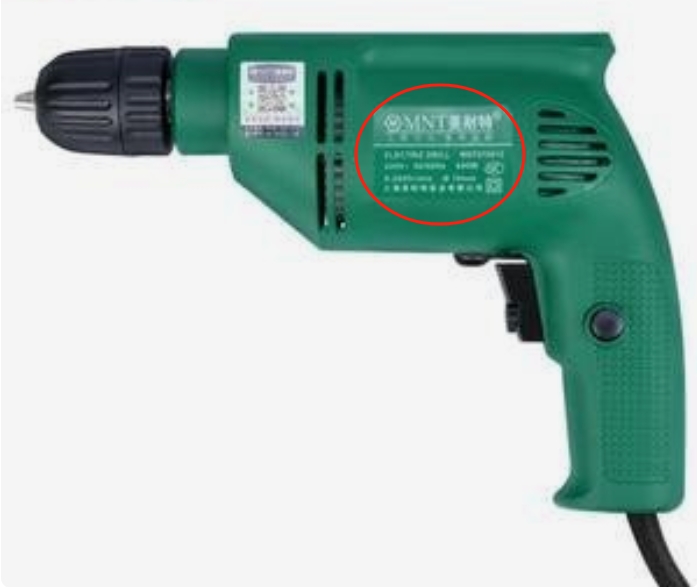
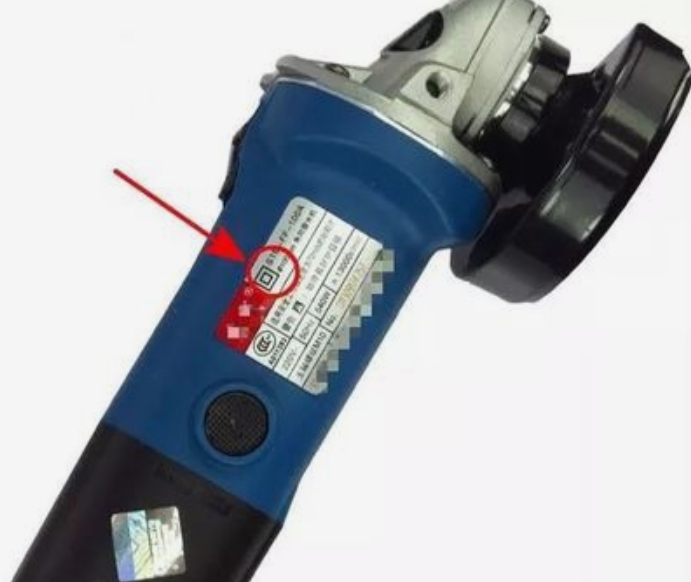
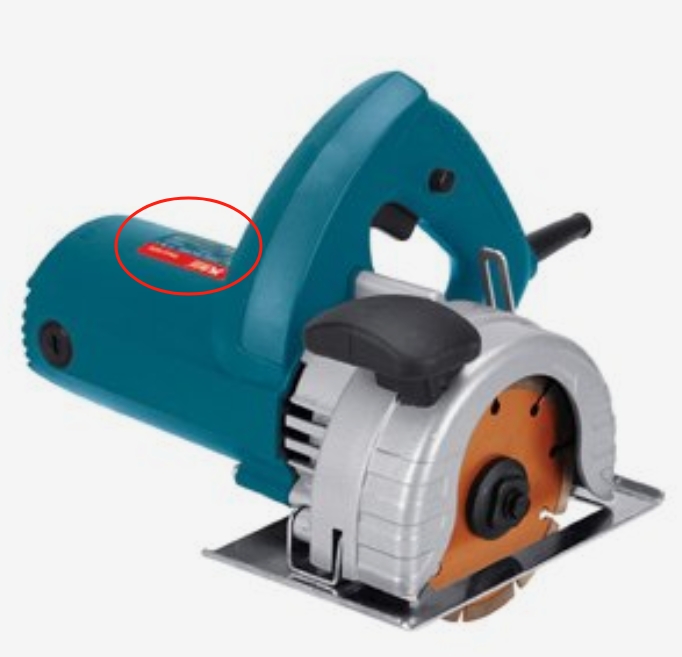
If the wattage on the appliance cannot be found, please check if the unit is in amperes. If so,
you can use the following formula to multiply amperes by voltage to calculate wattage:
Watt=volts x amperes.
If you have a device with a current of 10 amperes and a voltage of 120 volts, its power is 1200 watts (10 x 120=1200).
If the device does not list amperes or volts, you can refer to the user manual or manufacturer's website to find the wattage of a specific product.
Ensuring safe and efficient operation of equipment and calculating the correct generator size are important steps.
2. Calculate the total wattage
To choose the appropriate generator size, you need to know the required operating and starting wattage.
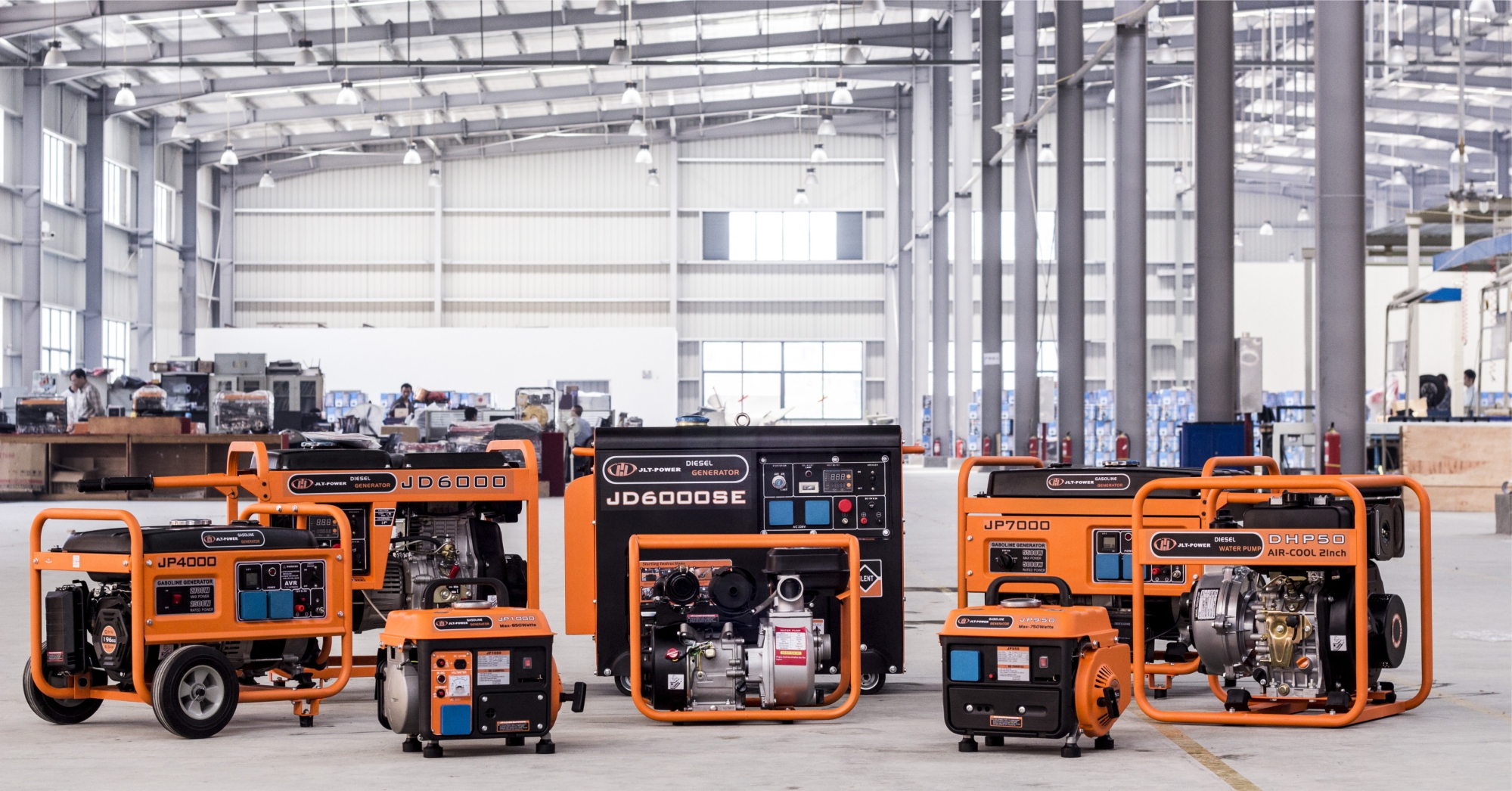
• Operating (rated) wattage: Operating wattage refers to the additional start-up (surge) wattage required to sustain the operation of the equipment.
Starting wattage refers to the additional wattage required a few seconds before starting the electric equipment.
Tool or appliance operation (rated) wattage additional startup (surge) wattage
| Tools or utensils |
Operating (rated) wattage |
Extra startup (surge) wattage |
|
Air compressor 1/2 HP |
2,500 |
2,500 |
|
Airless spraying machine 1/3 HP |
600 |
1,200 |
|
Table Saw/Rocker Saw -10 inches |
2,000 |
2,000 |
|
Belt sanding machine |
1,200 |
2,400 |
|
Central air conditioning unit |
1,500 |
4,500 |
|
Circular saw |
1,500 |
1,500 |
|
Color TV -27 inches |
500 |
– |
|
Ceiling fan |
800 |
1,200 |
|
Low temperature freezer |
500 |
500 |
|
Dishwasher - Hot Dry |
1,500 |
1,500 |
|
Drying machine |
5,400 |
1,350 |
|
Electric drill half HP |
1,000 |
1,000 |
|
Electric Furnace - Single |
1,500 |
– |
|
Electric water heater -40 gallons |
4,000 |
4,000 |
|
Hammer drill |
1,000 |
3,000 |
|
heat pump |
4,700 |
4,500 |
|
iron |
1,200 |
– |
|
Laser printer |
950 |
– |
|
bulb |
75 |
– |
|
Slant Saw -10 inches |
1,800 |
1,800 |
|
microwave |
1,000 |
– |
|
Planer/Coupler -6 inches |
1,800 |
1,800 |
|
A personal computer equipped with a 17 inch monitor |
800 |
– |
|
Quartz halogen work light -300 |
300 |
– |
|
reciprocating saw |
960 |
– |
|
refrigerator |
800 |
1,600 |
|
Security system |
180 |
– |
|
Stereo receiver |
450 |
– |
|
Small heater |
1,800 |
– |
|
Sewage pump |
800 |
1,200 |
|
Table Fan -14 inches |
200 |
400 |
|
washing machine |
1,150 |
2,250 |
|
Well pump 1/3 HP |
1,000 |
2,000 |
|
Window air conditioning -10000 BTU |
1,200 |
1,800 |
Factors to consider when selecting a generator
The power capacity of generators varies, so you need to consider whether you need small, medium, or high-power industrial generators. In contrast, small generators
have a power of 20000 watts (20 kilowatts), large generators have a power of 100000 watts (100 kilowatts), and ultra large generators have a power of 240000 watts (240 kilowatts) or more.
To help you choose the appropriate generator, we have compiled a convenient list of generators of different sizes and their common uses.
0.65kW to 10kW: If you are looking for a backup generator, this size of generator can help you power several rooms in your home. A portable 5 kW generator allows you to operate a refrigerator,
four lights, a fan, and an electric motor. However, for ordinary sized households, you may need at least 10 kilowatts of power. Most small generators use natural gas, propane, or diesel.
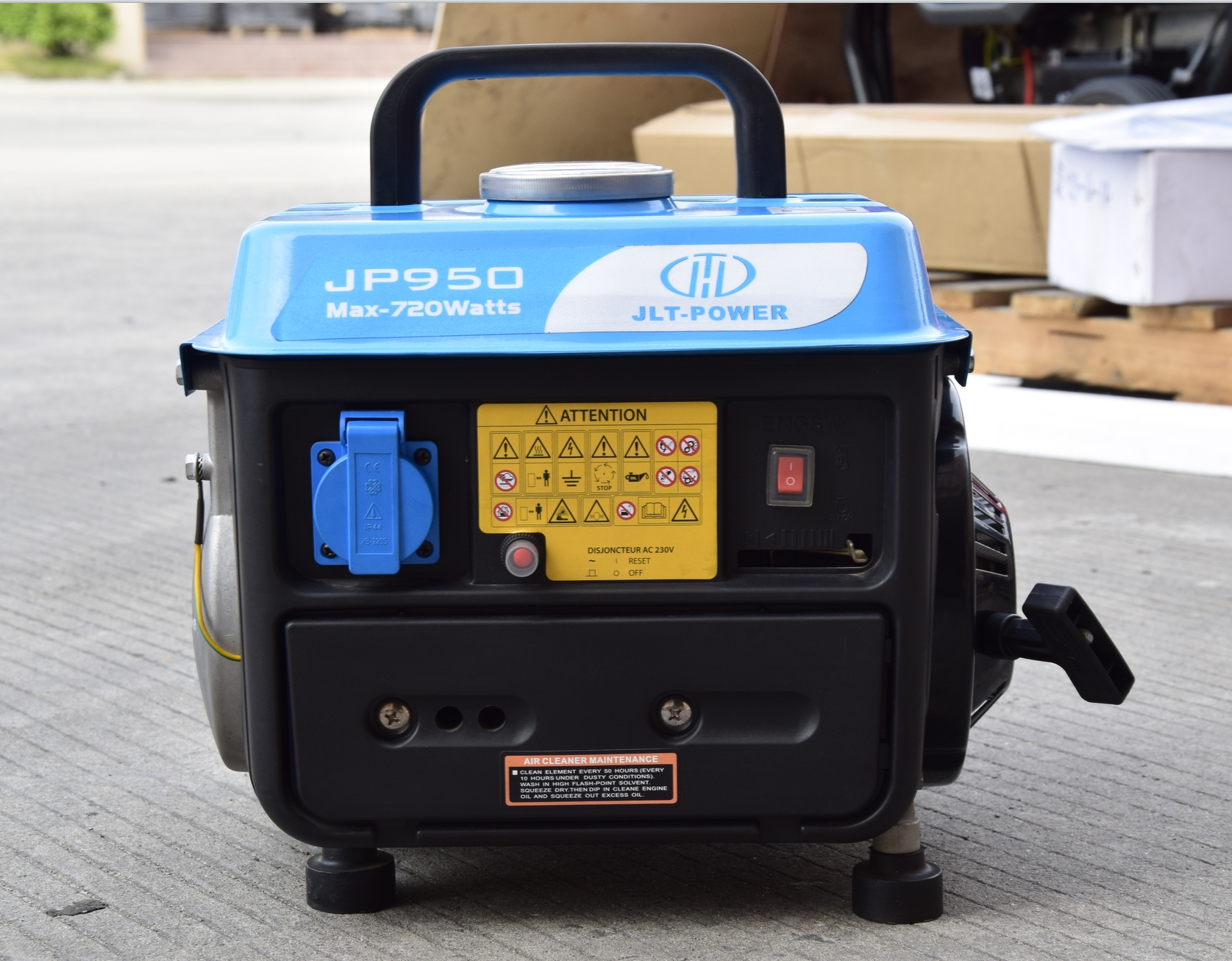
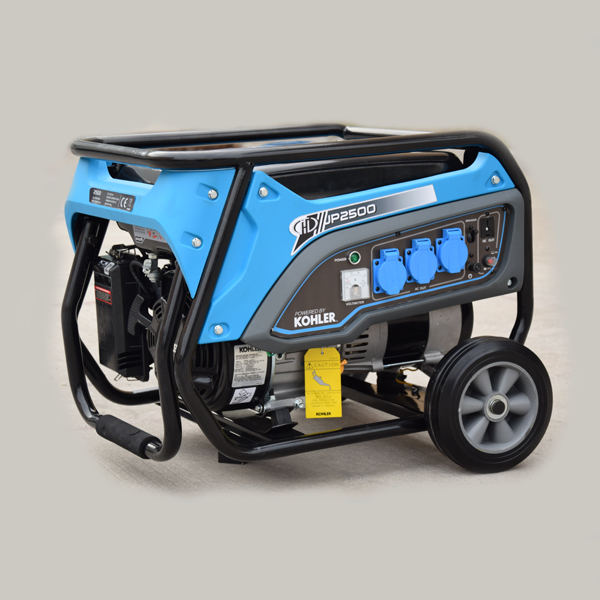
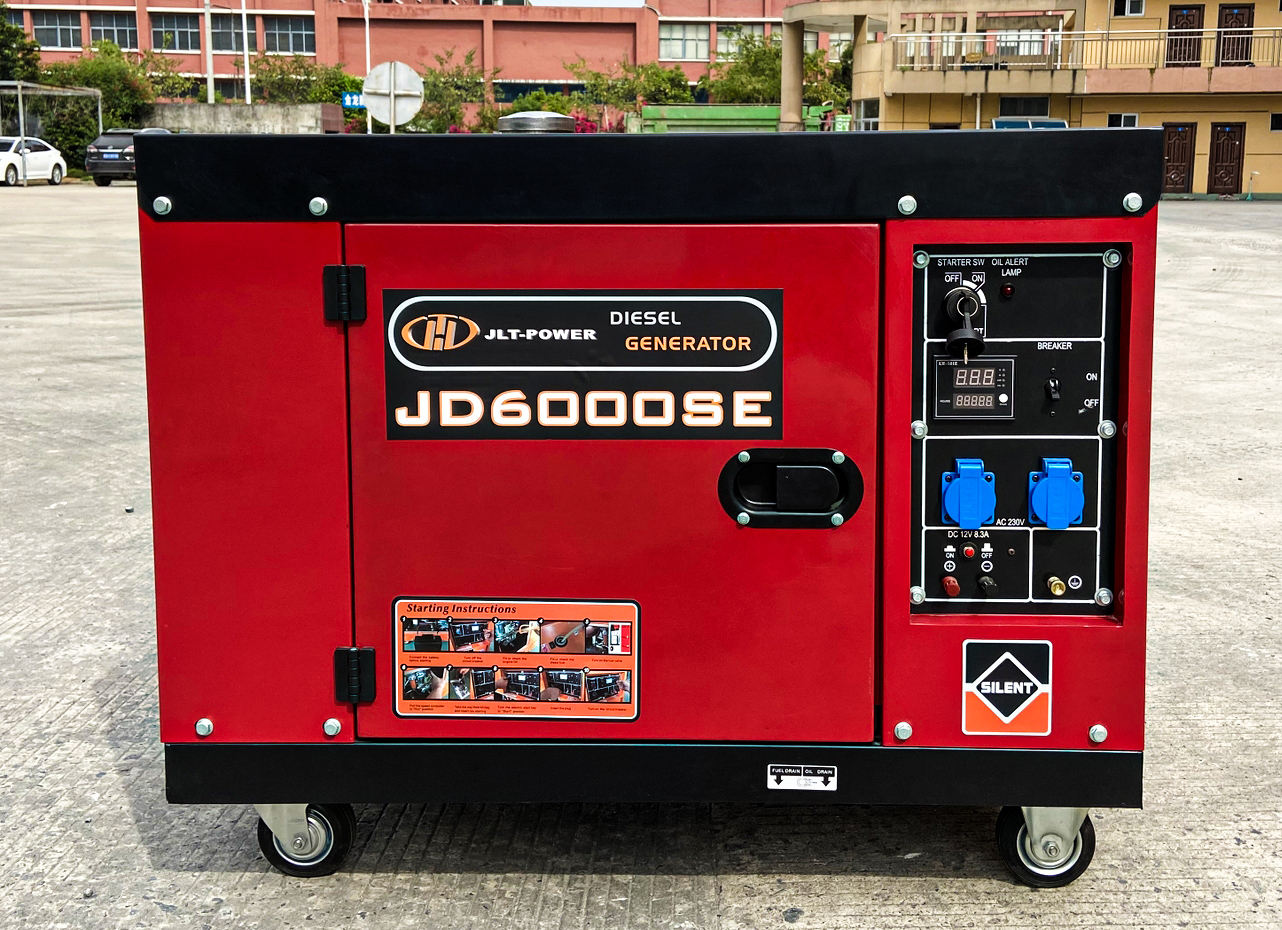
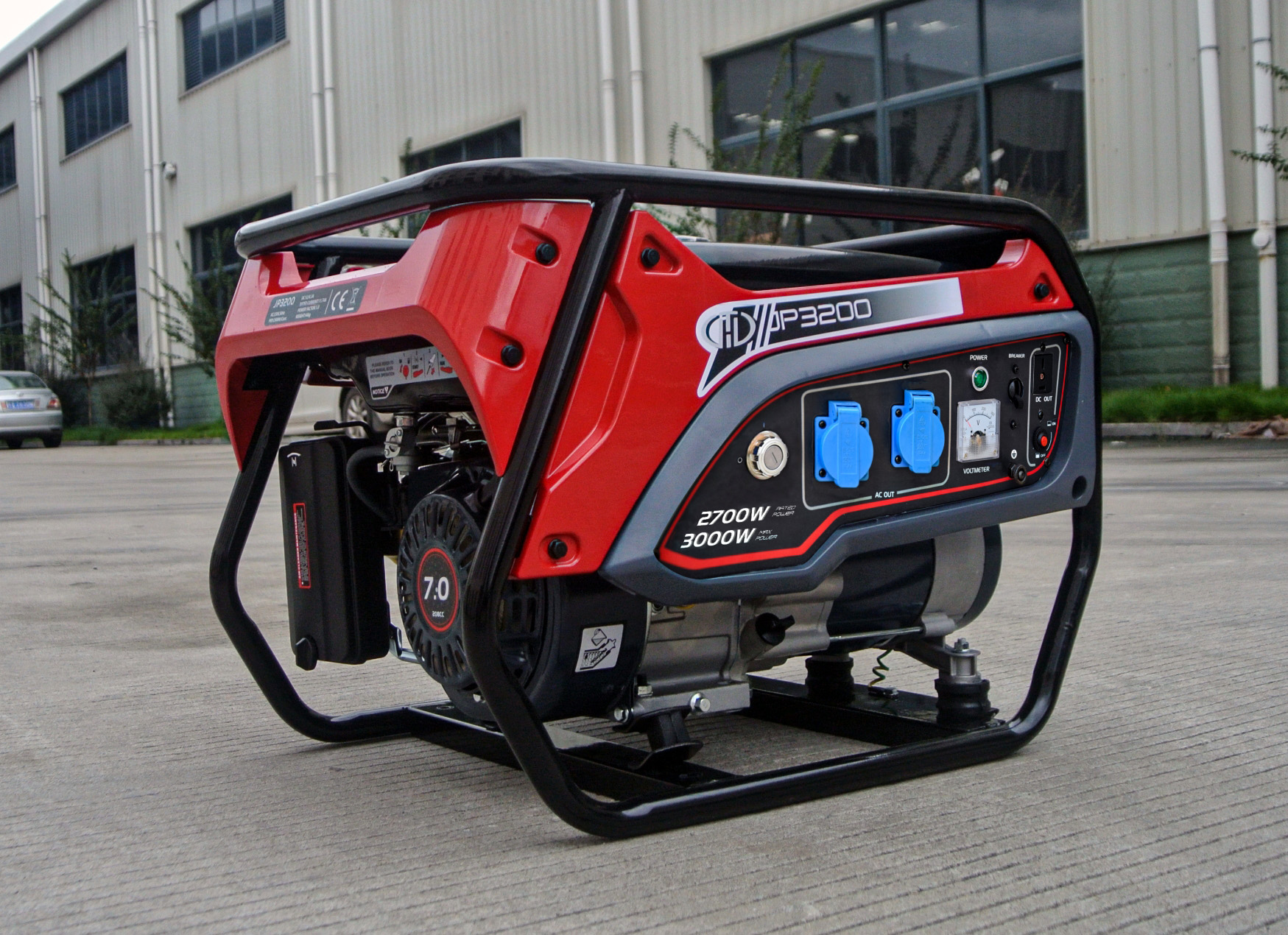
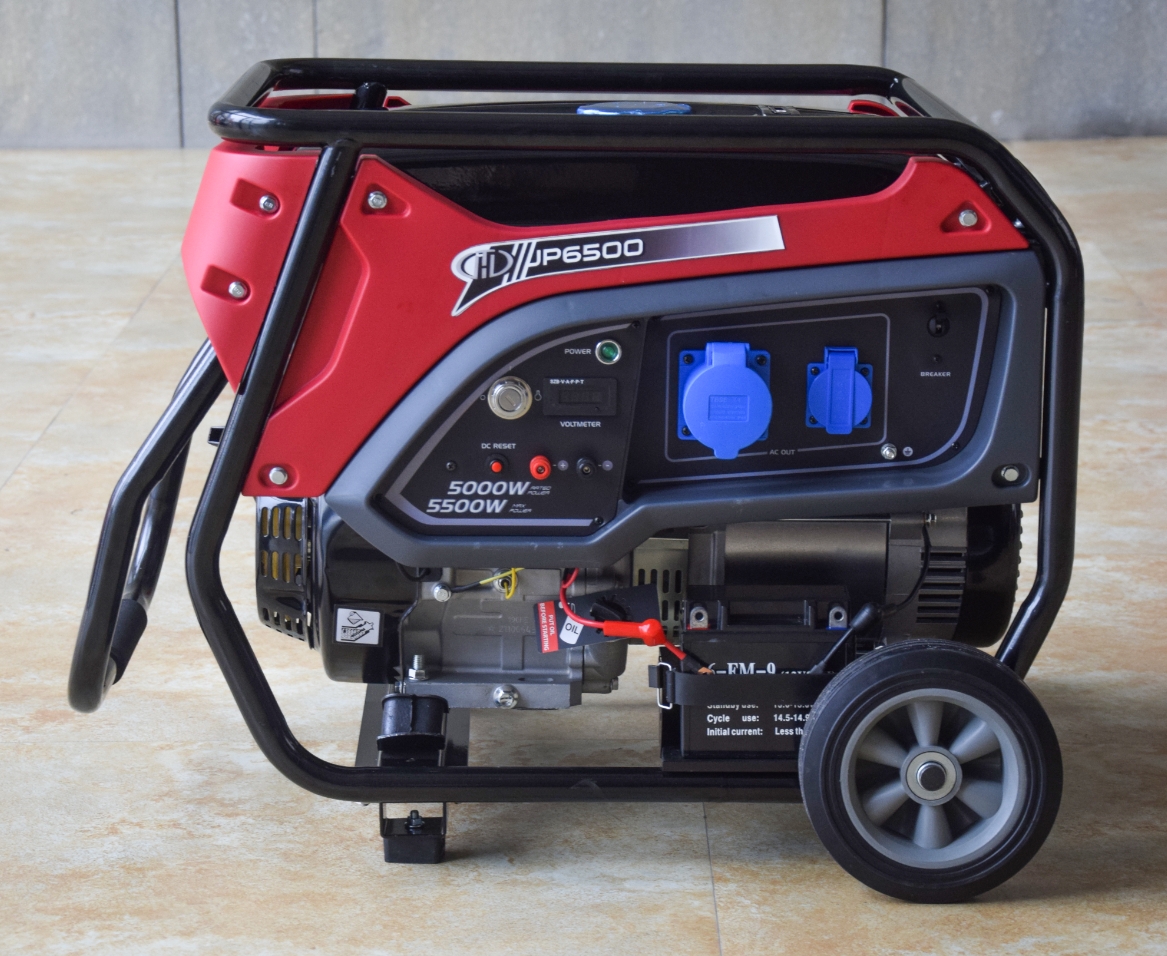
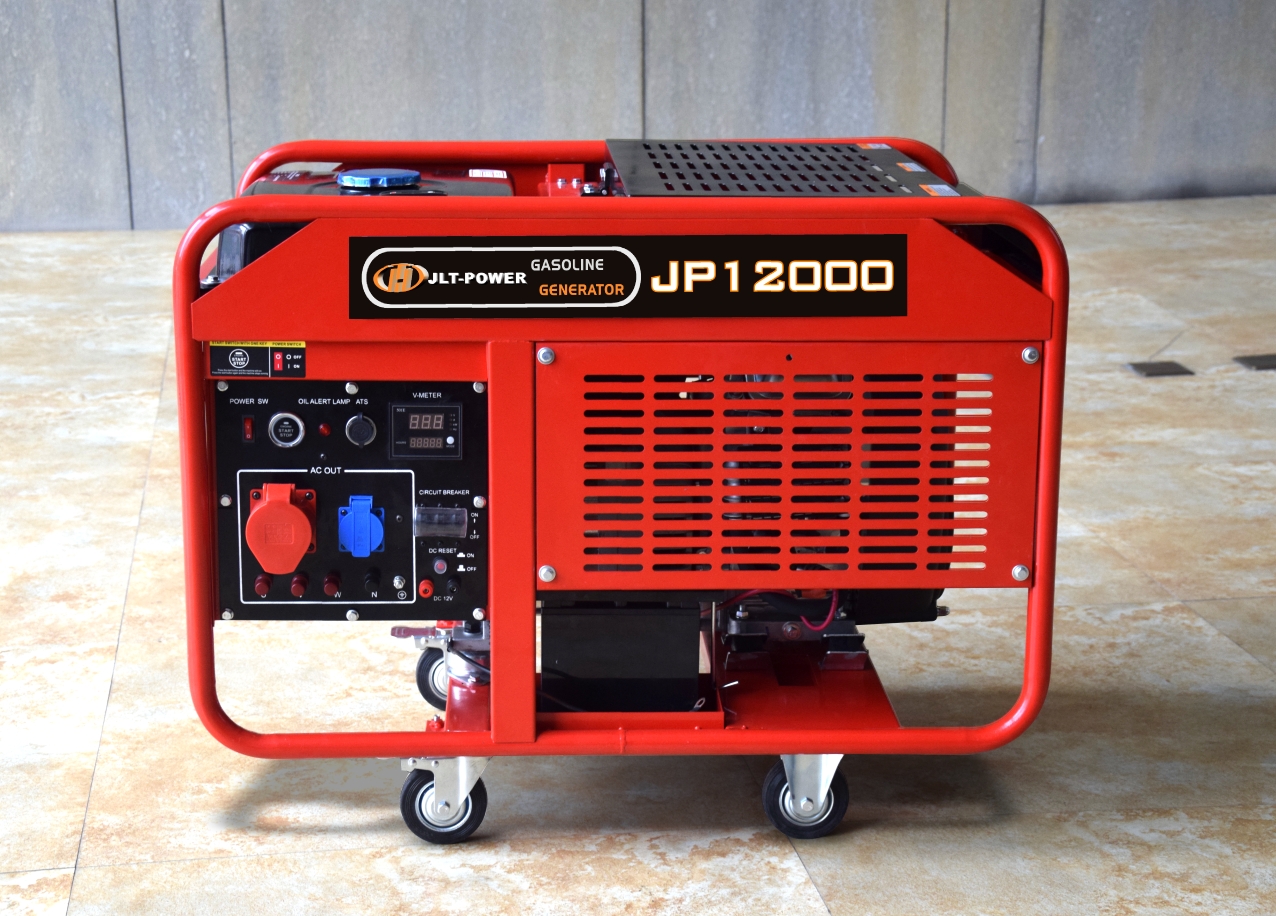
10kW to 50kW: This type of generator allows homeowners to run more appliances simultaneously. Perhaps you have multiple energy consuming devices, such as HVAC units, water pumps,
and washing machines, that need to be used simultaneously. If that's the case, you can choose propane, diesel, or natural gas generators within this size range.
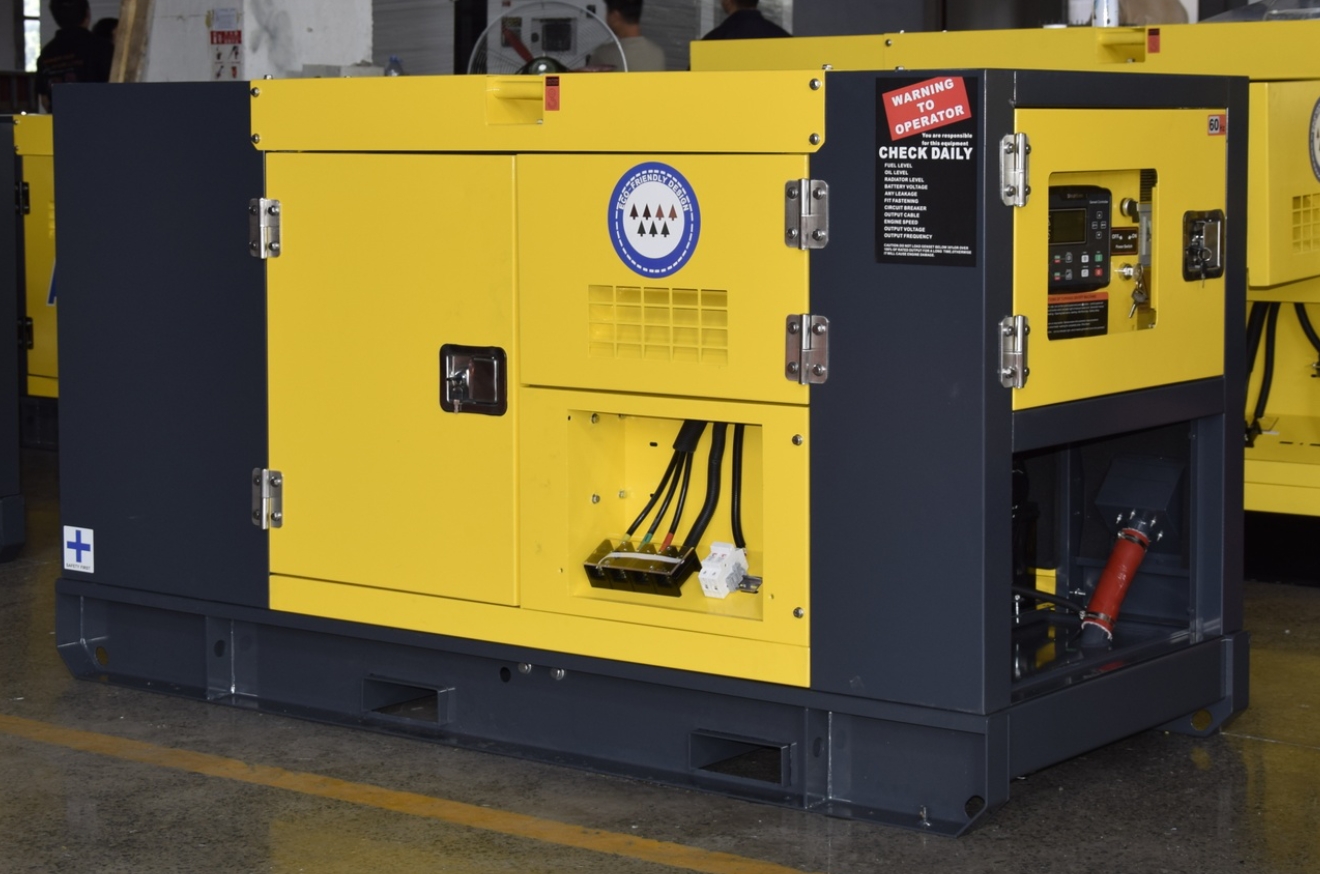
50kW to 150kW: These devices are typically diesel powered and are ideal for providing backup power generation for offices and restaurants.

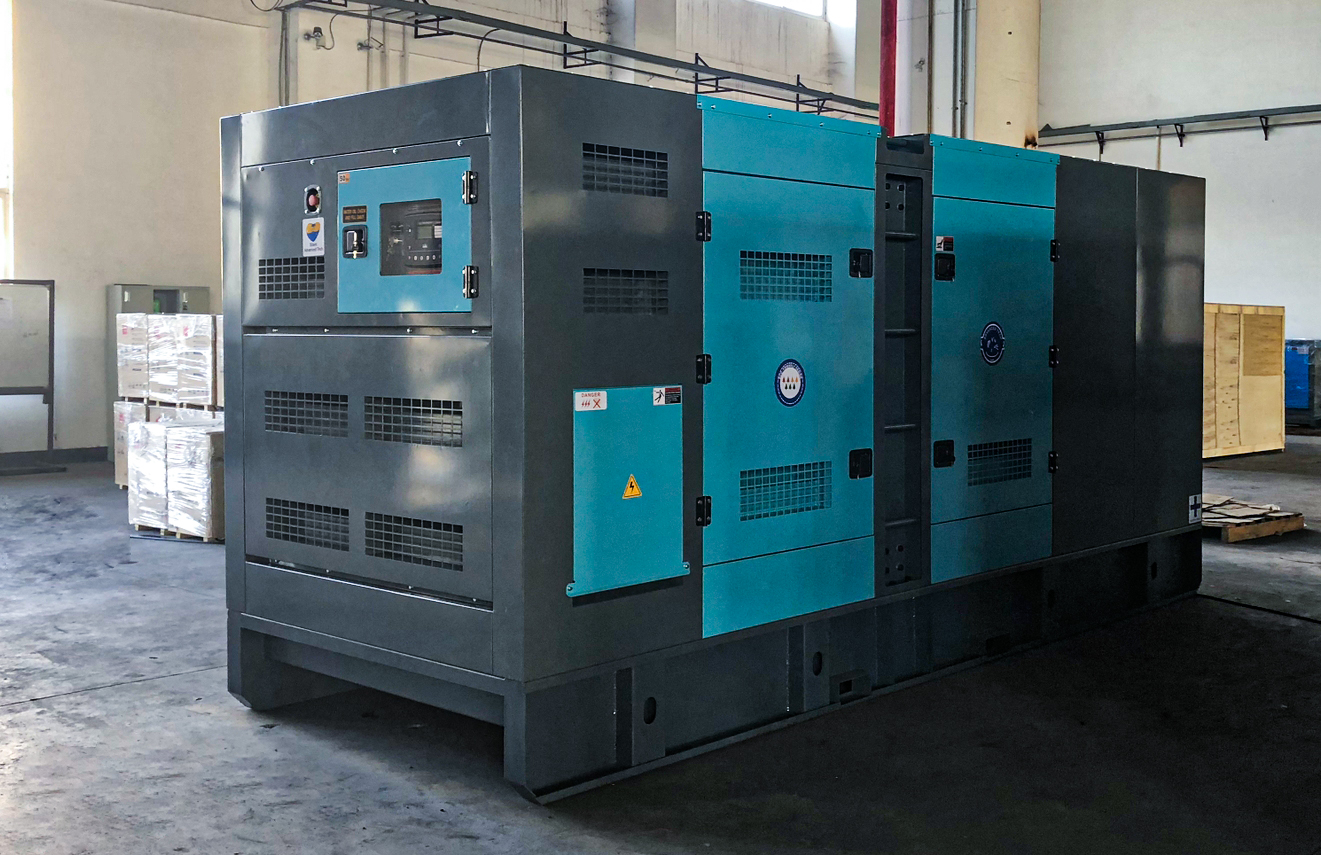
150kW to 500kW: This type of generator can provide power solutions for industrial sites, large offices, or any location with a large amount of electrical appliances such as computers, lights, fans,
and air conditioning. They can use both diesel and gasoline, and can also provide power for fishing boats.
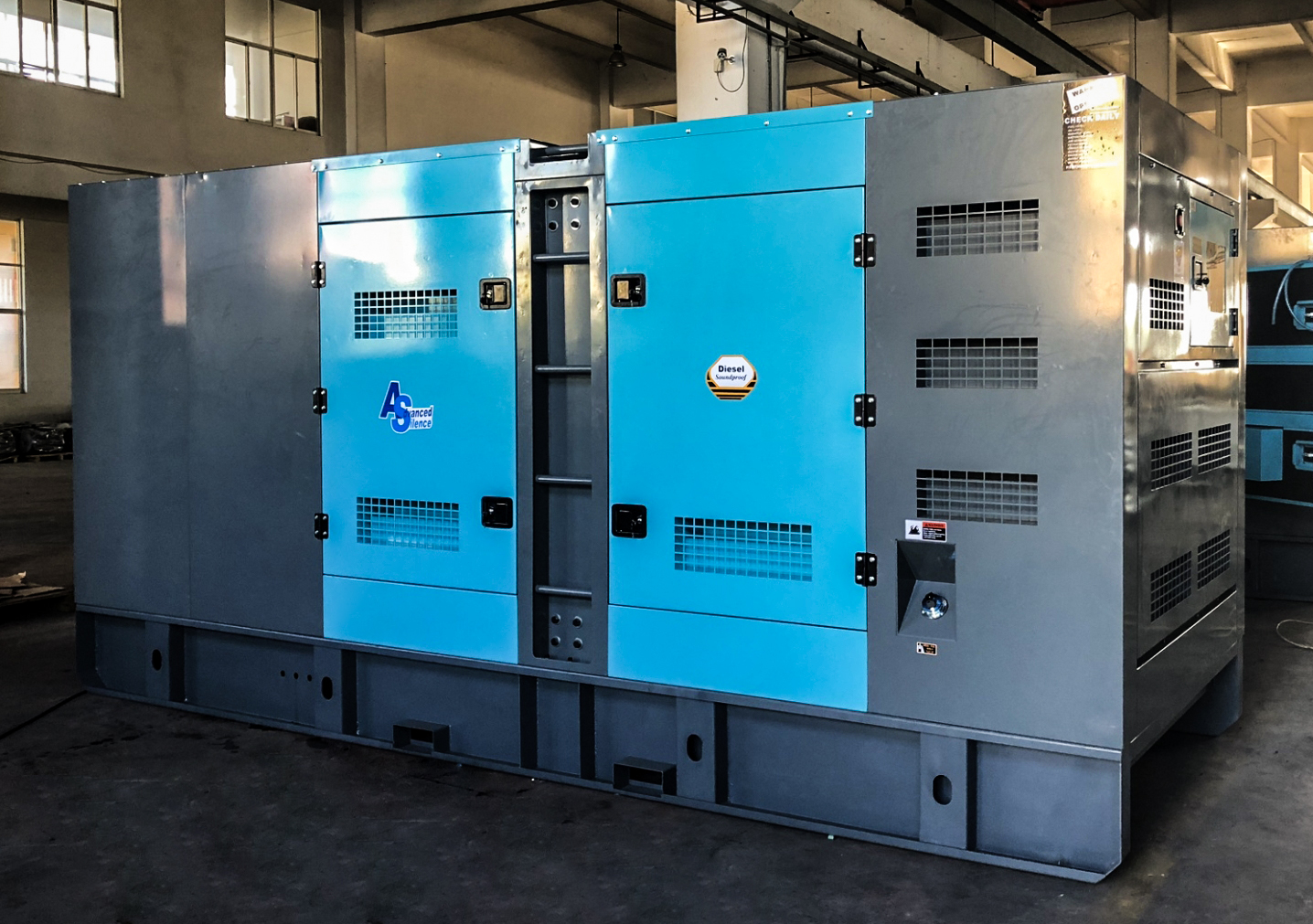
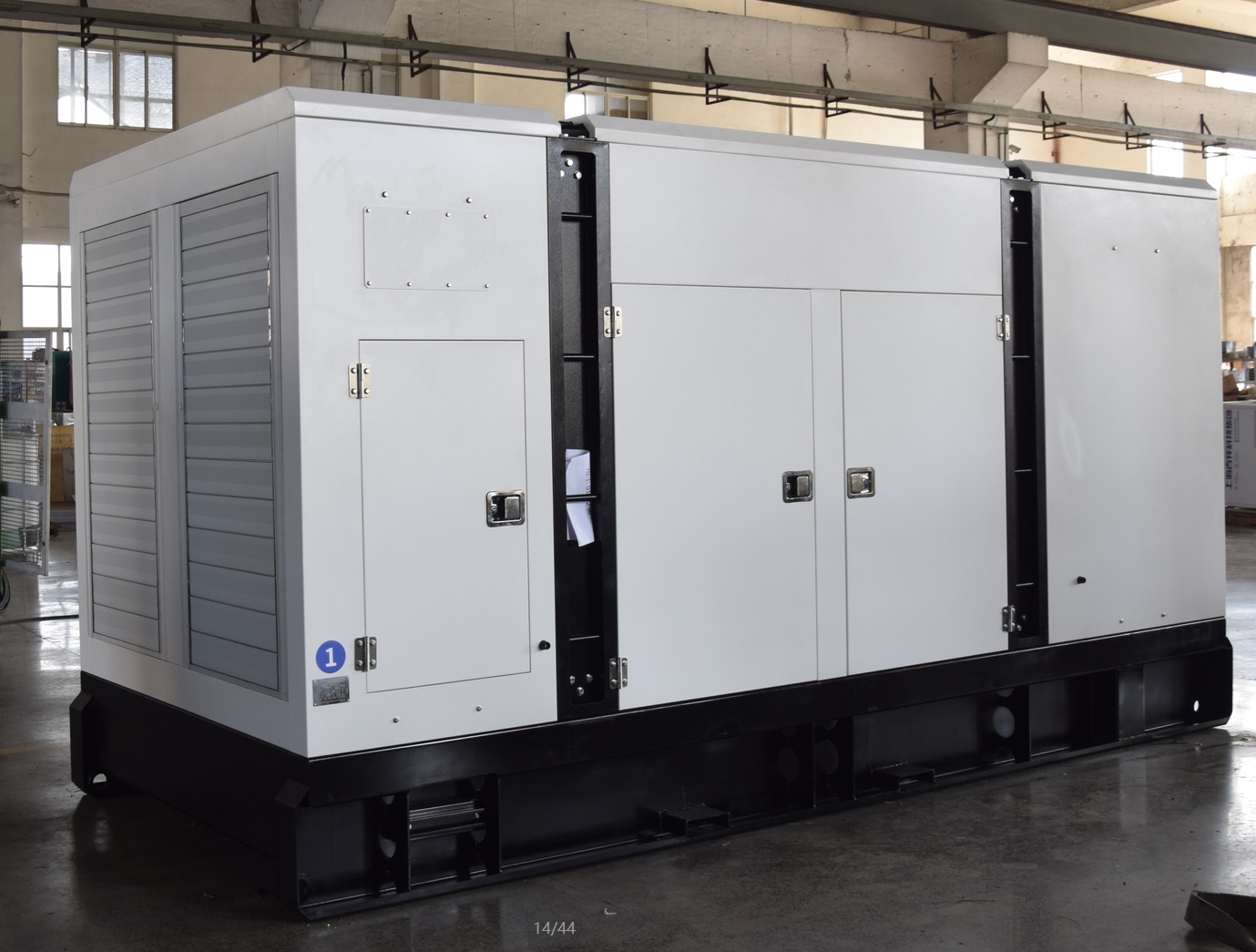
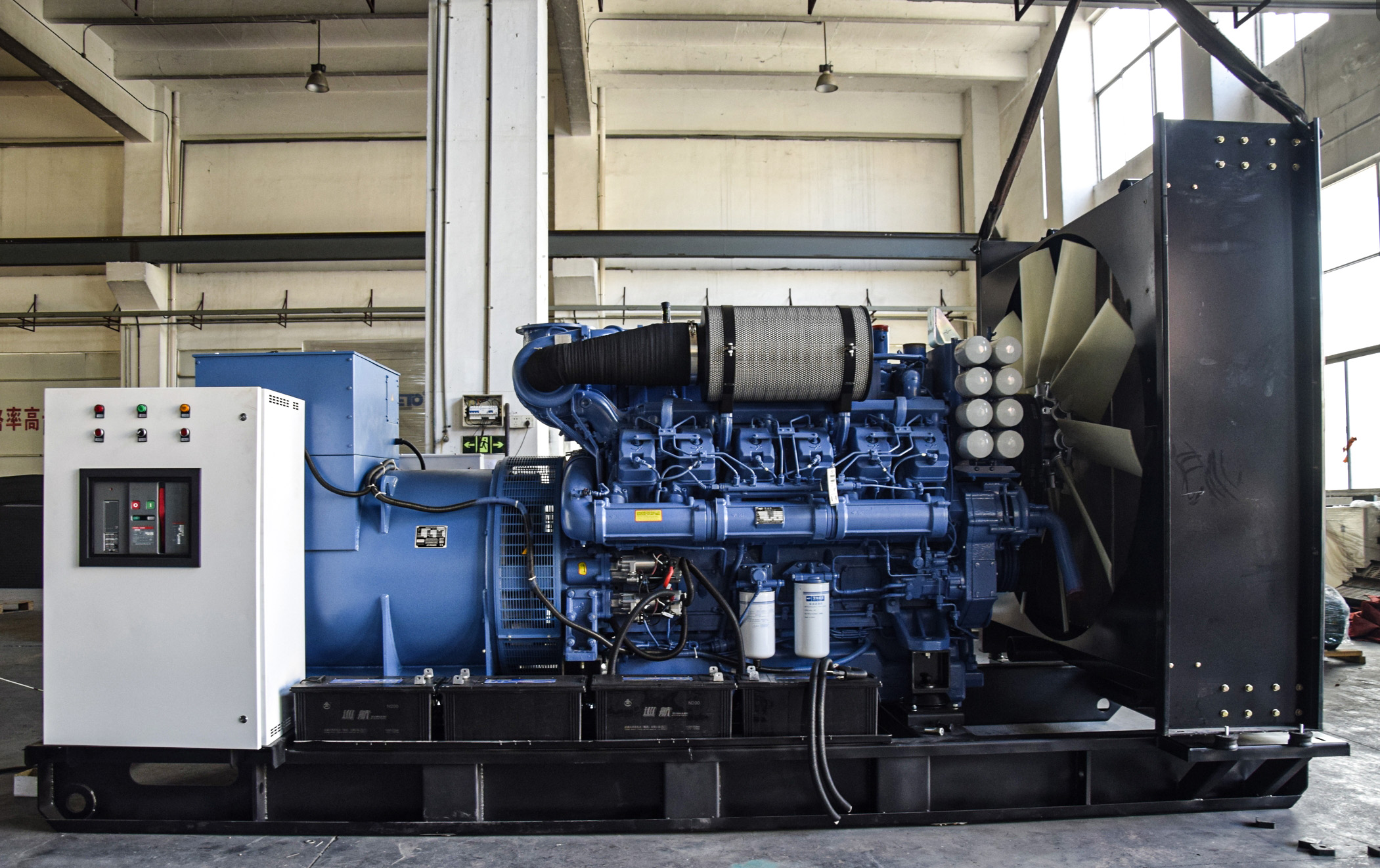
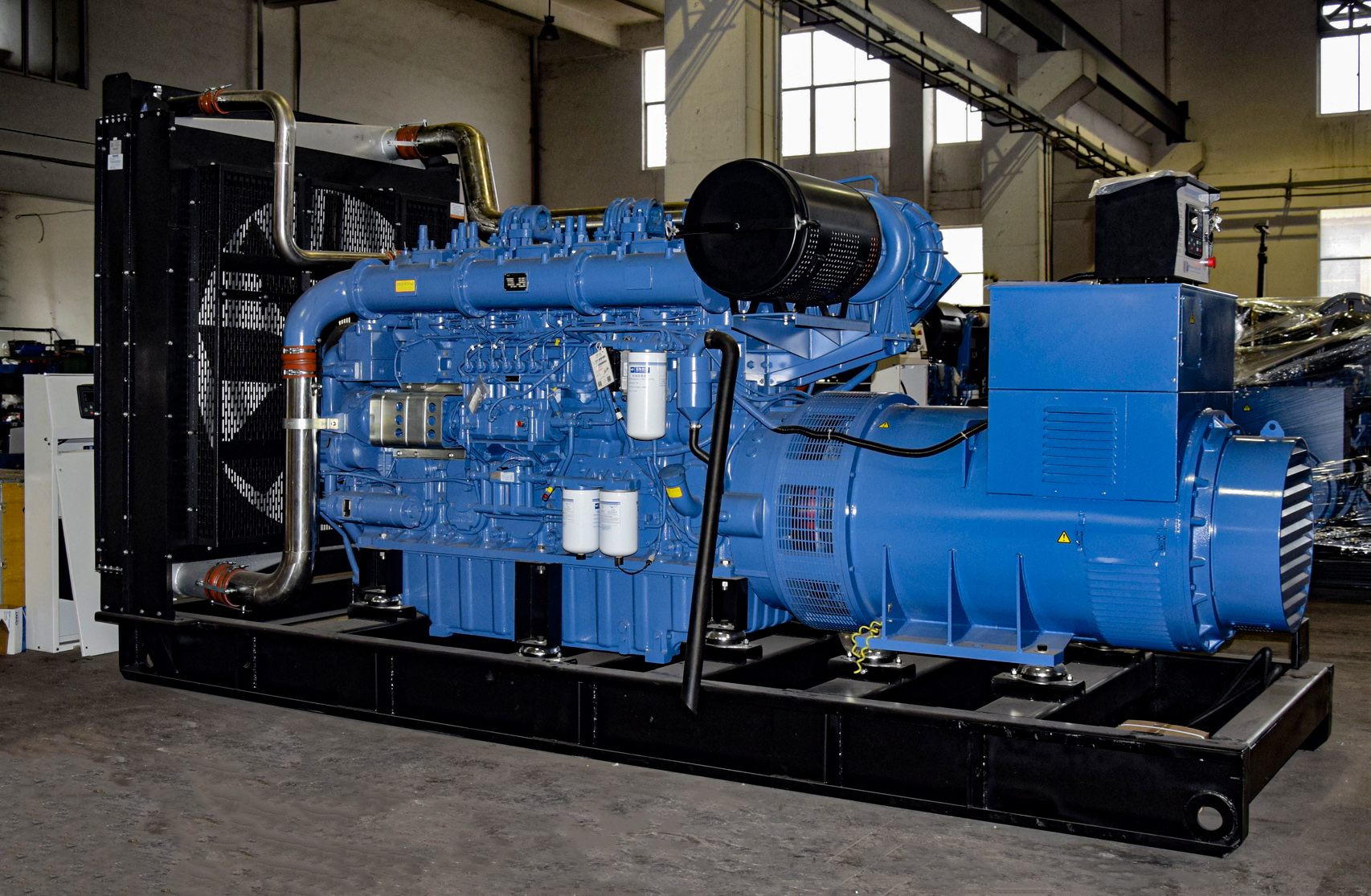
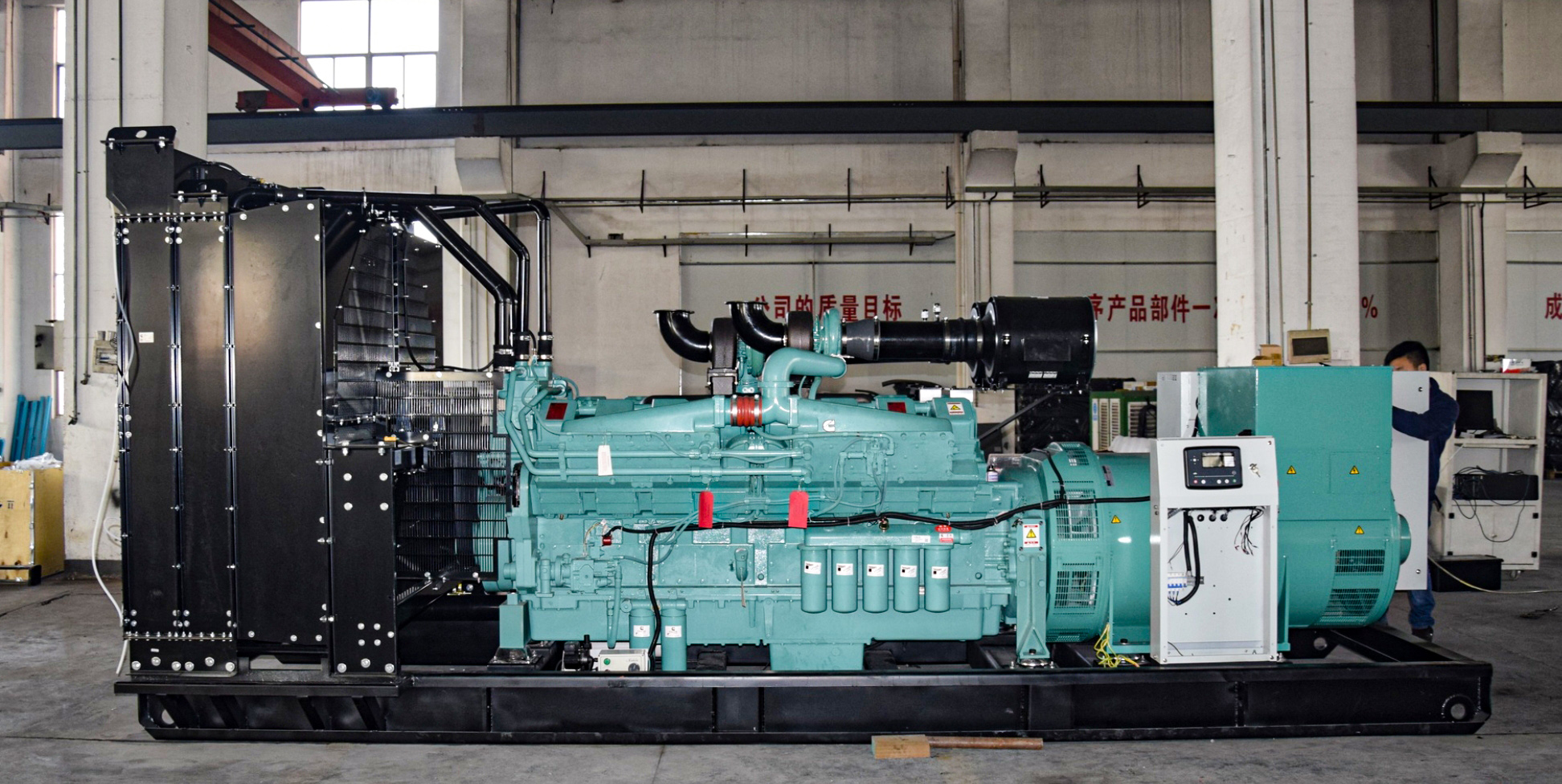
500kW to 1000+kW: If you need all-weather power supply, this size of industrial generator is a good choice. These large generators use diesel or natural gas to provide sufficient energy for large industries
and high-rise buildings equipped with elevators and/or escalators.
The type of fuel used by the generator
Different types of generators use different types of fuels, including gasoline, diesel, natural gas, or propane. Each type has its advantages and disadvantages. For example,
diesel generators are more expensive than gasoline generators, but they have higher fuel efficiency and are more cost-effective from a long-term perspective. Although the
fuel consumption speed of propane generators is three times that of diesel generators, propane performs well in cold weather to meet our operational requirements under
harsh environmental conditions, even during power outages when diesel and gasoline pumps may not be working.
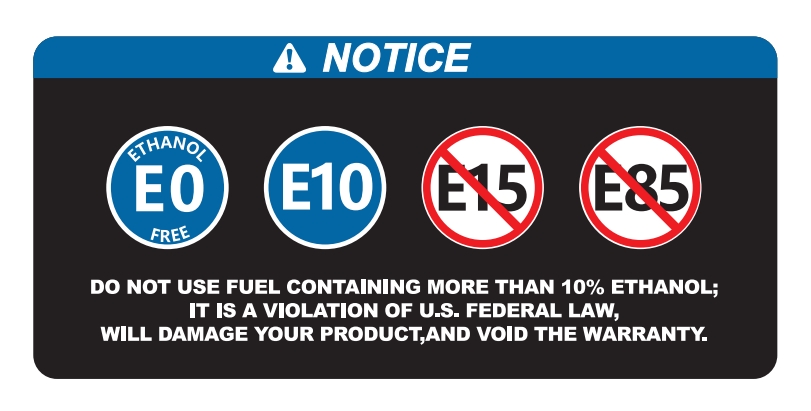
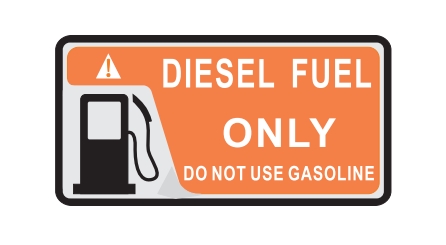
Gasoline Fuel Diesel Fuel
The physical dimensions of the generator
Most types of generators are divided into two categories: portable and backup. Portable generators are easy to move. There is a small version that you can take with you
for camping or store in the garage for home use.The backup generator is located in one location but has the ability to provide emergency backup power for large buildings
such as houses, construction sites, and hospitals.
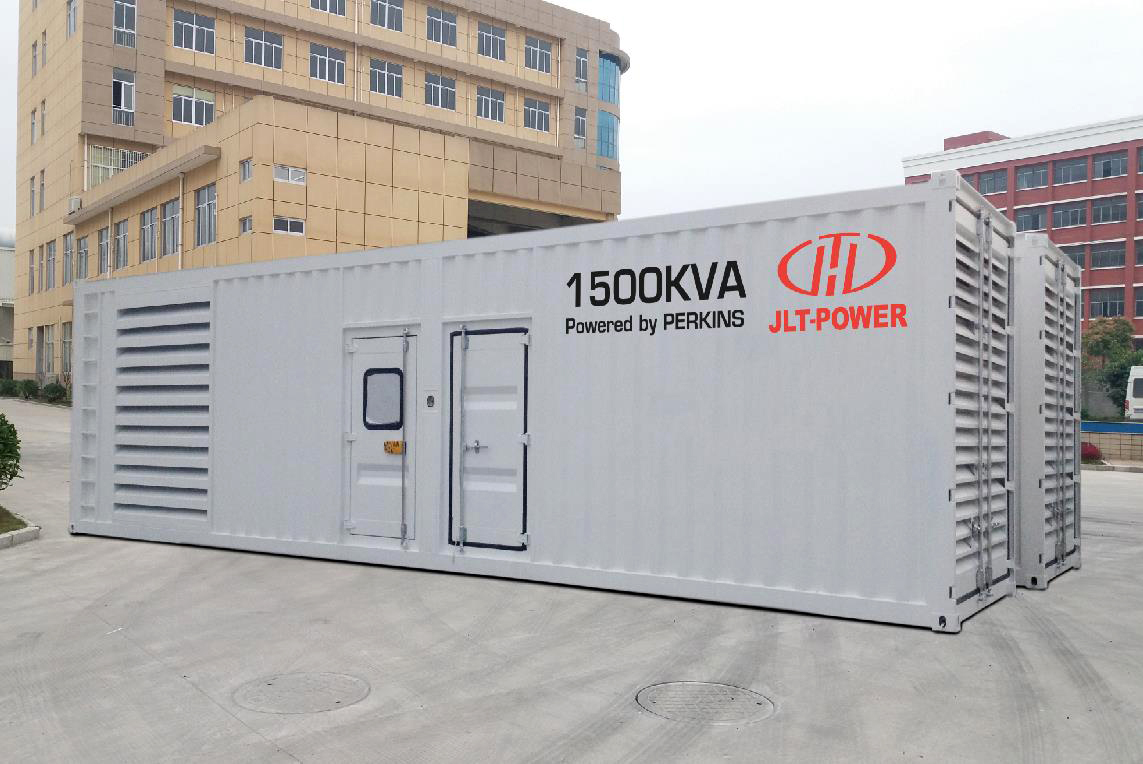
Generator type
Generators come in various types, sizes, and energy sources. A small diesel generator can power a chainsaw, while a large diesel silent generator set can maintain normal
enterprise power supply and project construction during power outages, serving as a backup generator for households.
Generators are divided into the following categories:
Inverter generator: The inverter generator uses special technology to generate clean and stable energy. These models are often quieter, more fuel-efficient, and more suitable
for charging sensitive electronic devices such as laptops or phones.
Portable generators: These smaller devices can provide electricity for tasks that consume less energy, such as charging mobile phones during camping trips or supplying power to electric tools while working from home.
Although its more compact size makes it easy to carry and affordable, portable generators cannot provide power for entire homes or construction sites.
Backup generators: These larger fixed devices can be used as whole house generators, even supplying power to the entire building in emergency situations. They can also automatically turn on to ensure no downtime.
They are large in size (usually larger than air conditioning units) and often expensive.
Noise level
After the generator starts and runs, it will produce a lot of noise, so you need to consider where you plan to use them. The greater the power of the generator, the greater the noise,
while low-power generators often have lower noise levels. If working in outdoor construction, the generator may not cause any problems. However,
if you plan to use them during outdoor festivals or in suburban areas with noise restrictions, you may need silent generator sets.
The generator manufacturer will have products with low noise design, or you can purchase a separate generator muffler.
Where is the generator used?
Generators have various functions, from providing modern conveniences during camping to providing life-saving medical services in emergency situations. This list reveals the various uses of generators:
Hospitals and medical centers: Backup generators provide critical backup power to hospitals and medical centers in emergency situations. They help keep the lights on in the operating room,
keep important machines such as respirators and heart monitors running, and prevent refrigerated drugs and food from spoiling.
Home: household generator can prevent your house from falling into darkness during storms, and even allow you to wash clothes, run air conditioning, and cook with an electric stove at the same time.
Construction sites: Portable generators enable construction teams to have electricity even in areas without sockets, and provide power to different machines at different locations on the construction site.
Activity: Generators can provide energy for outdoor activities, supplying power to lighting, heating equipment, audiovisual equipment, cooking equipment, and more.
Campsite: While you may enjoy spending great time outdoors, you can also enjoy some modern conveniences. A portable generator can power your RV appliances, illuminate your camping site, and charge your devices.
Frequently Asked Questions about Generator Dimensions
Do you have any other questions about choosing the size of the generator? Here are some answers to the most common questions. You can also check out our free e-book to learn more about choosing a generator.
If you are looking for a generator to power your house, you first need to know which appliances need to be powered. When choosing a generator, please follow the following rules of thumb:
5000 watt generator is sufficient to power basic facilities such as lights, refrigerators, and freezers.
12000 watt generator is sufficient to provide a more comfortable experience - lights, refrigerator, freezer, central air conditioning, water heater, oven/stove, microwave, and TV.
20000 watt generator is sufficient to meet most household needs - lights, kitchen appliances, central air conditioning, water heaters, washing/drying machines, garage doors, and household electronics.
What size generator do I need to run the refrigerator?
On average, refrigerators require approximately 2000 watts of starting power, so any generator with at least such high power can work. For safety reasons, you may need to purchase a generator that can generate at least a rated power of 3000 watts.
What size generator does my RV need?
rated 8000 watt generator is sufficient to meet most RV needs. It can power lights, air conditioners, refrigerators, microwaves, phone or tablet chargers, and laptop chargers.
I hope this guide can help you no longer worry about "what size generator I need". After purchasing the generator, please make sure to maintain it properly.
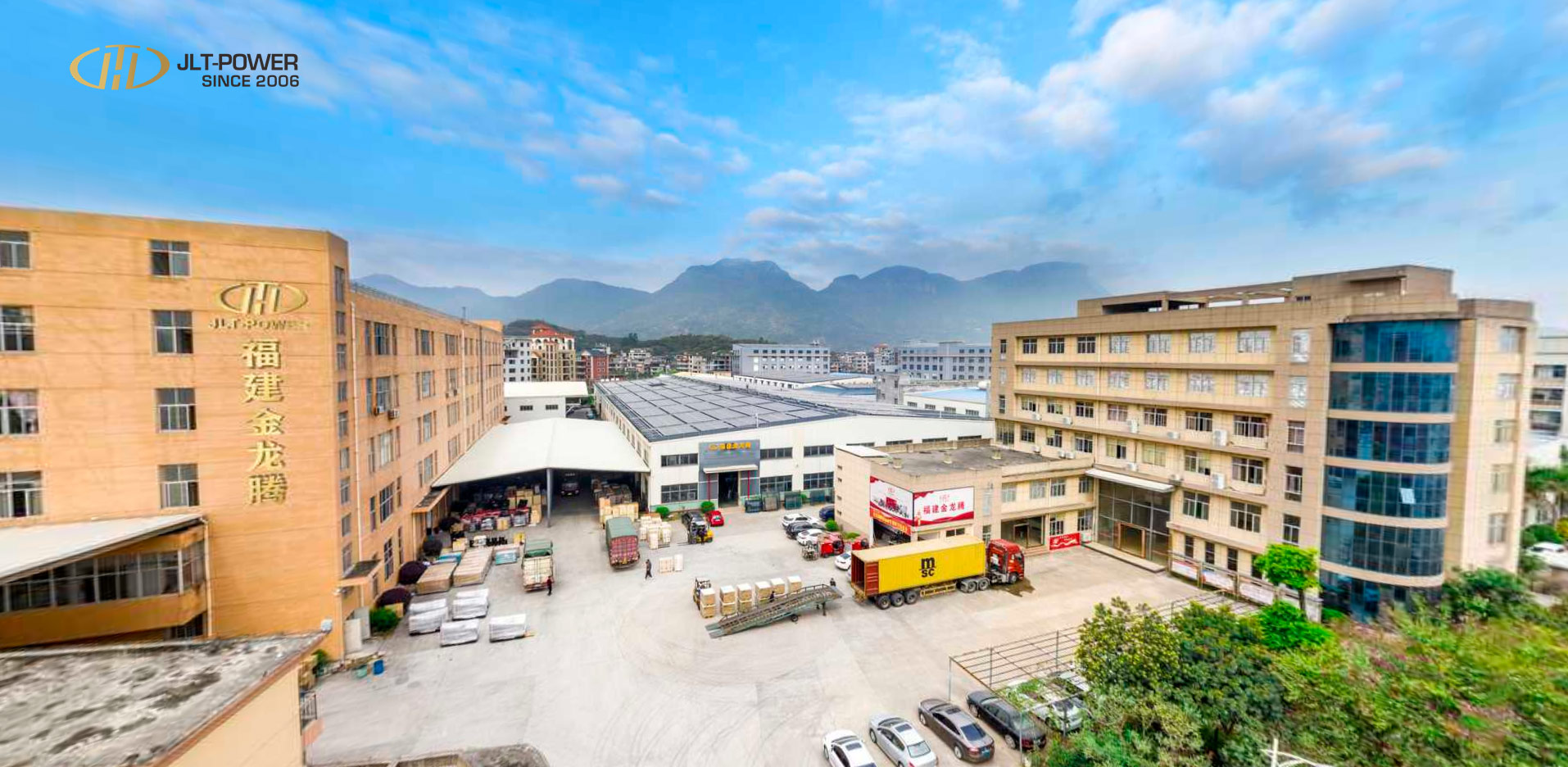
If you need a portable power supply to illuminate your construction site or run your machines, you can check out JLT-POWER high-quality power generation products, with 19 years of professional experience as a generator supplier.
Our products range from 0.65 kW to 2500 kW, and we offer various sizes of generators to meet your power needs.
How to choose a household generator?
